
(Jisei)
— Epictetus
“An ignorant person is inclined to blame others for his own misfortune. To blame oneself is proof of progress. But the wise man never has to blame another or himself.” — Epictetus
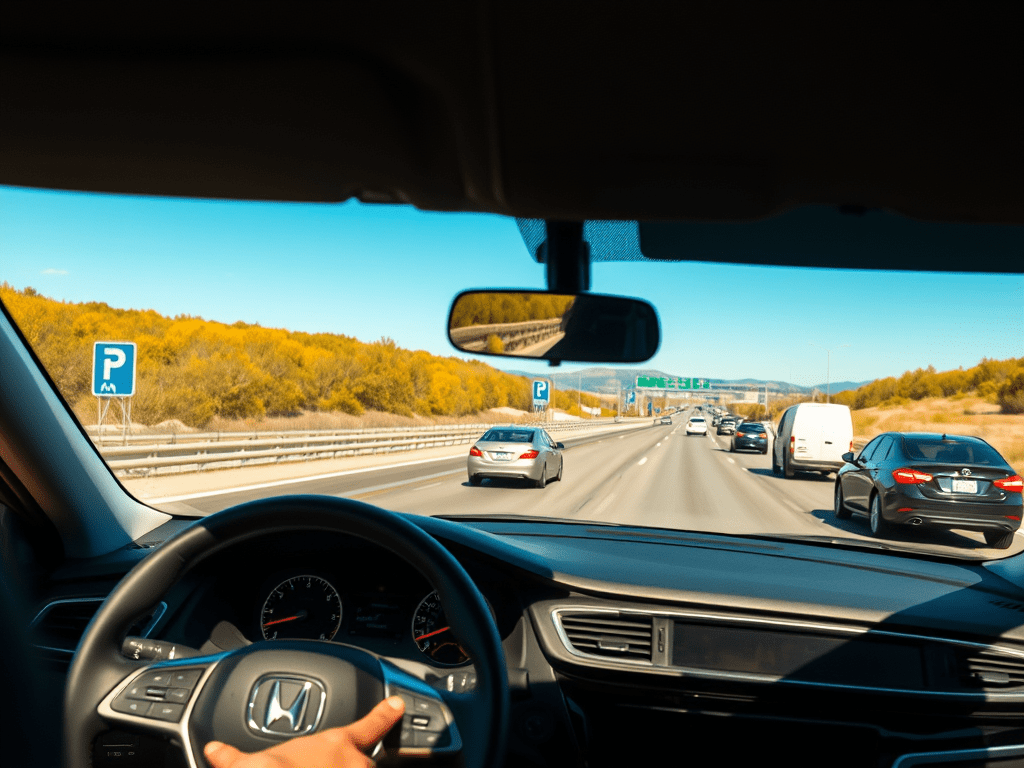
We’ve all seen it happen, or perhaps we’ve been the driver in the middle: a multi-car pile-up. You’re sitting at a red light, and suddenly—thud—the car behind hits you, which shoves you into the car in front. Naturally, your first instinct is to point at the driver behind you. “It’s their fault! I wouldn’t have moved if they hadn’t hit me.”
Technically, you’re right. But in the practice of self-mastery, being “right” is often a trap.
Think back to the car accident. Could you have left more space in front of you? Could you have been more aware of the traffic flow? This “collision” happens every day in smaller ways:
- At work: We blame a colleague’s delay for our missed deadline, forgetting we could have checked in sooner or built in a buffer.
- At home: We blame a partner’s mood for our own anger, forgetting that our reaction—the “space” between the trigger and the response—is our choice.
- In school: We blame a difficult teacher for a low grade, forgetting that our learning is ultimately in our own hands.
When we blame others for our current state, we are effectively handing them the keys to our happiness and our growth. It feels better in the moment—it protects the ego from the sting of failure—but it leaves us powerless. If the fault lies entirely “out there,” then the solution must also be “out there,” leaving us waiting for a world that may never change.
To heal and to improve, you must look inward. Recognizing what you could have done within your power isn’t about beating yourself up; it’s about reclaiming your agency. Until you own your part in the collision, you remain a passenger in your own life.
他責から自省へ:
自己責任という力
— Epictetus
「自分の不幸を他人のせいにするのは、無教養な者のすることだ。自分を責めるのは、学び始めた者のすることだ。だが、他人も自分も責めないのが、学びを終えた者のすることである。」 — エピクテトス
人生において、私たちはしばしば「玉突き事故」の真ん中に立たされることがあります。後ろから追突され、その勢いで前の車にぶつかってしまう。当然、私たちは後ろの車を責めます。「あいつが当ててこなければ、私はぶつからなかった」と。
しかし、そこに自分の落度は本当になかったのでしょうか? 車間距離をもっと開けていれば、前の車を巻き込まずに済んだかもしれません。この「心の車間距離」の欠如は、日常のあらゆる場面で起こっています。
- 職場にて: 同僚の報告が遅れたから締め切りに間に合わなかったと責める。しかし、もっと早く進捗を確認する「心の車間距離」は取れなかったでしょうか。
- 家庭にて: パートナーの言葉にカッとなって言い返したとき、「相手が怒らせたからだ」と責める。しかし、自分の感情のハンドルを握っていたのは自分自身です。
- 学校にて: 先生の教え方が悪いから成績が上がらないと嘆く。しかし、自ら学びを深める方法は他にもあったはずです。
他人を責めることは、一時的に心を楽にしてくれます。しかし、それは成長を止める甘い罠のようなものです。自分のコントロールできる範囲(自力)に目を向けず、外部の要因(他力)ばかりを気にしている限り、私たちは自分を向上させることはできません。
何が自分の「力」の範囲内にあったのか。それを認識することが、癒しと進歩への第一歩です。他人のせいにすることをやめたとき、初めて私たちは自分の人生のハンドルを握り直すことができるのです。
By Kaz Kihara
 tryzazen.com